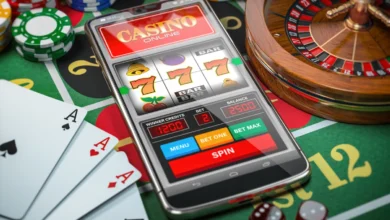
Gambling
Seeking Professional Help: Confidential Resources and Treatment for Gambling Disorders

Navigating the Hidden Struggles of Gambling Addiction
The modern landscape offers unprecedented access to wagering and speculative markets, turning everyday devices into portals for instant financial transactions. While casual gaming or occasional betting remains an enjoyable pastime for many, a significant segment of the population quietly battles the destructive pull of compulsive gambling. Unlike substance-related struggles, gambling addiction leaves no physical traces, making it easy to conceal from spouses, family members, and colleagues until severe financial or emotional crises manifest.
Recognizing the need for support is the first step toward reclaiming stability, yet fear of social stigma often keeps individuals trapped in isolation. Society frequently minimizes compulsive betting as a lack of willpower rather than acknowledging it as a complex behavioral condition that alters brain chemistry and decision-making pathways. Fortunately, a robust infrastructure of confidential resources, professional treatments, and specialized support networks exists to guide individuals and their loved ones toward lasting recovery without fear of exposure or judgment.
Breaking the Silence Through Confidential Helplines
Taking that initial step to reach out for assistance can feel daunting, which is why modern confidential networks are engineered to provide a safe, anonymous entry point into the recovery ecosystem. Individuals do not need to navigate their struggles alone, nor do they risk exposing their personal circumstances when contacting professional support services.
Dedicated Support Networks Available Around the Clock
National helplines operate as centralized hubs connecting callers with local assistance across all fifty states and territories. Operating continuously throughout the year, these services allow individuals to connect via voice calls, text messaging, or secure online chat interfaces. Communications are strictly confidential, ensuring that personal details and conversation histories remain private. Trained specialists answer these inquiries with deep empathy and professional expertise, offering immediate guidance, emotional stabilization, and tailored referrals to certified regional treatment providers.
For family members and concerned loved ones who often experience secondary trauma and financial stress, these helplines provide specialized guidance. Callers can learn how to set healthy boundaries, manage shared finances safely, and protect their own mental health while encouraging someone they care about to seek professional intervention.
Therapeutic Approaches and Professional Treatment Options
Overcoming a gambling disorder rarely happens through sheer determination alone; it typically requires structured clinical intervention designed to address the underlying psychological drivers of compulsive behavior. Modern addiction medicine and psychological research offer several evidence-based treatment modalities tailored to individual needs.
Cognitive Behavioral Therapy and Specialized Counseling
The gold standard in treating gambling disorders is Cognitive Behavioral Therapy. Licensed therapists work collaboratively with individuals to identify the specific cognitive distortions that fuel addictive cycles, such as the illusion of control or the belief that a big win is bound to happen after a losing streak. Through structured sessions, patients learn how to recognize personal triggers, reframe negative thought patterns, and develop robust coping mechanisms for stress, anxiety, or boredom.
In addition to individual counseling, outpatient and inpatient treatment facilities offer comprehensive programs that may incorporate family therapy, financial counseling, and relapse prevention planning. Financial counseling is particularly vital, as mounting debt and ruined credit scores often drive the cycle of chasing losses. Restoring order to personal finances helps alleviate the crushing anxiety that frequently threatens early recovery.
Peer Support Communities and Group Dynamics
While clinical therapy provides essential psychological tools, the power of shared human experience cannot be overstated. Peer support groups offer a unique environment where individuals can connect with others who truly understand the isolating weight of a gambling addiction.
Modeled after time-tested twelve-step frameworks, these community-based programs provide a non-judgmental space for regular meetings, accountability, and mutual encouragement. Members share their personal journeys, celebrate milestones, and support one another through moments of vulnerability. Knowing that others have walked the exact same path and successfully rebuilt their lives fosters a profound sense of hope and community that accelerates individual healing.
Rebuilding Trust and Creating a Sustainable Future
Recovery from a gambling disorder extends far beyond abstaining from wagering; it involves a holistic rebuilding of personal relationships, career stability, and self-worth. Healing fractured trust with family members takes time, open communication, and consistent actions that demonstrate genuine commitment to change.
As individuals engage with professional counseling, utilize confidential helplines, and lean on peer support networks, the psychological grip of the addiction gradually loosens. Financial health is restored step-by-step through budgeting and debt management plans, while emotional resilience replaces the transient highs of risky bets. Embracing professional help is not a sign of weakness, but a courageous declaration of strength and a commitment to a healthier, more fulfilling future.